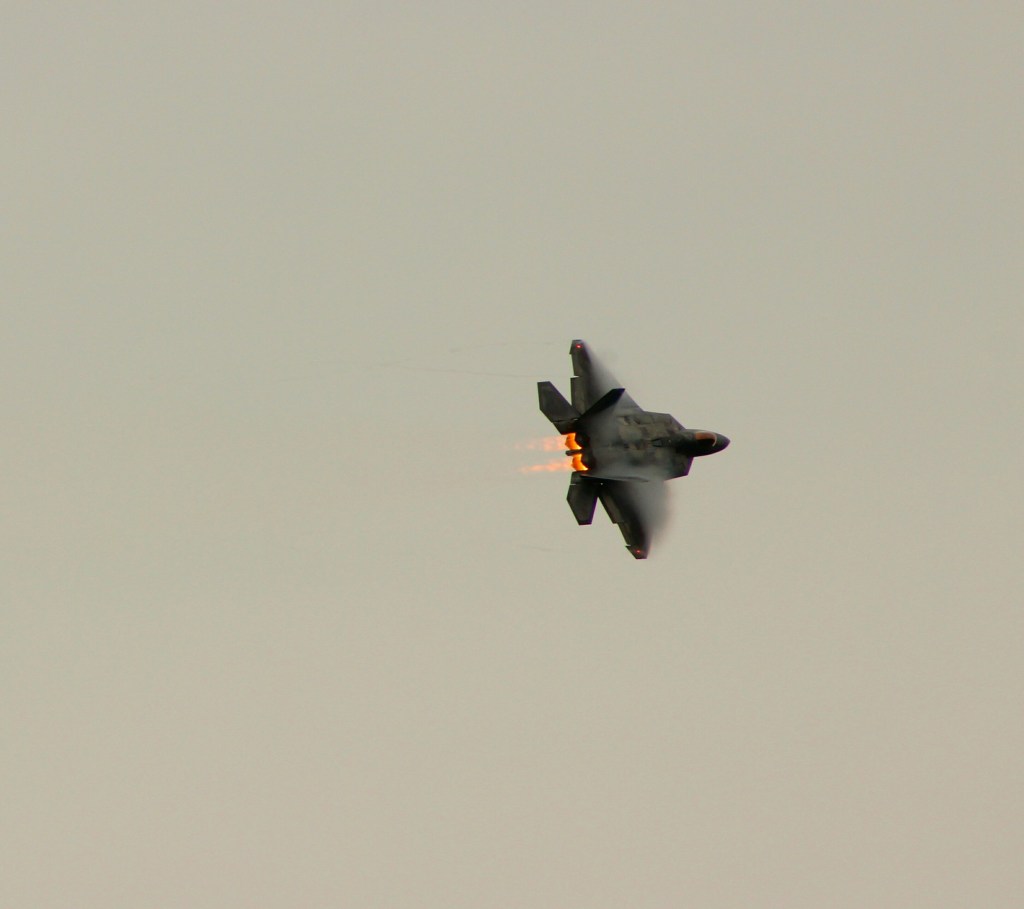
The AN/APG-81 radar crammed into the nose of an F-35 generates enough heat to throttle its own performance mid-mission. The laser weapon systems now being fielded on U.S. Navy vessels cannot fire continuously, not because they lack power, but because they cannot shed heat fast enough. Deep beneath the ocean’s surface, Virginia-class submarines run cooling systems whose acoustic output works against the very stealth they were built to protect. Across air, sea, and land, one of the most advanced militaries in history is being constrained by a problem that has existed since the first refrigerator hummed to life more than a century ago: there is still no fundamentally better way to move heat.
A technology rooted in the physics of shape-shifting metals may offer one.
The effect at the heart of this technology is straightforward. Certain metal alloys, most importantly nickel-titanium (commercially known as nitinol), release heat when mechanically compressed or stretched, and absorb heat when that stress is released. Cycle that process repeatedly in a controlled sequence and the result is refrigeration, achieved without refrigerant gases, without a compressor, and with no meaningful acoustic output.
A working cycle runs as follows. The nitinol material is rapidly stressed, causing it to heat up. That heat is transferred away to a sink. The stress is then released, and the material drops substantially below its starting temperature. It then draws heat from whatever system needs cooling, and the cycle begins again.
Laboratory prototypes have achieved temperature spans exceeding 30 degrees Celsius and, under controlled conditions, coefficients of performance above five, meaning more than five units of cooling energy delivered for every unit of mechanical energy consumed. Those figures are competitive with well-engineered conventional systems, though translating laboratory performance to field-deployable hardware remains the central engineering challenge.
The case for elastocaloric cooling in defense contexts rests on three characteristics that conventional vapor-compression systems cannot easily replicate.
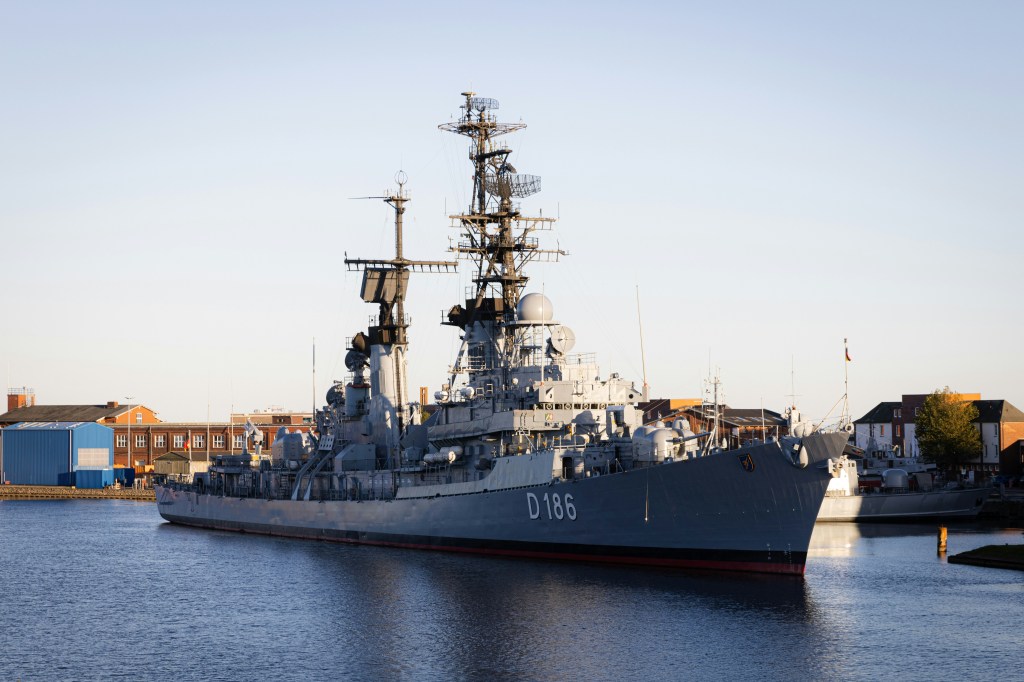
The first is acoustic silence. Without a compressor, there is no rhythmic mechanical cycling to generate noise. For submarines, where acoustic signature is a primary measure of survivability, that matters considerably. Current cooling systems on platforms like the Virginia-class are a known engineering tension, and solid-state alternatives that eliminate compressor noise would address a long-standing constraint.
The second is logistics. Conventional refrigeration depends on chemical refrigerants that must be supplied, handled safely, and disposed of properly. In forward-deployed or austere environments, that supply chain is a liability. A solid-state system with no consumable refrigerant and longer service intervals reduces that burden meaningfully.
The third is integration with directed energy systems. High-energy lasers and high-power microwave weapons are advancing through procurement pipelines, and their sustained operational use is limited in part by the ability to remove heat quickly and quietly. Elastocaloric modules, being compact and vibration-free, are well suited to the tight thermal management requirements of these platforms.
There is also a signature management dimension worth noting. As infrared sensing technology improves, the heat radiated by military platforms becomes an increasingly exploitable vulnerability. Cooling systems that manage heat rejection more precisely could contribute to reducing infrared signature, though this application remains largely at the research stage.
AESA arrays and high-energy laser systems generate concentrated heat loads that conventional cooling addresses imperfectly. Compact elastocaloric modules integrated directly into the thermal path of these systems could support more sustained operation without the vibration or maintenance demands of compressor-based alternatives.
Submarine and stealth platform cooling presents a different but equally pressing challenge. Solid-state cooling with no compressor cycling is inherently quieter and eliminates refrigerant leak risk in sealed hulls. These properties align directly with the requirements of submarine operations, where both noise discipline and maintenance minimization are critical.
Unmanned aerial systems such as the MQ-9 Reaper operate under strict weight and reliability constraints over long mission durations. Removing compressors and refrigerant servicing requirements from the cooling system reduces weight and simplifies the maintenance burden, with direct effects on operational availability.
Dismounted soldiers in body armor operating in extreme heat currently have no practical active cooling available to them. Lightweight elastocaloric modules without pressurized refrigerant represent a technically credible path toward wearable cooling, though miniaturization at useful power levels remains an open engineering problem.
Heat buildup inside armored platforms degrades both crew performance and electronics reliability, a problem familiar to crews of vehicles like the Merkava Mark IV. Forward operating base data centers face similar challenges in hot environments. Solid-state cooling that reduces consumable and maintenance requirements in both contexts could extend operational range.
The commercial ecosystem around elastocaloric cooling is small but attracting serious capital.
Exergyn, a Dublin-based company, is among the most advanced. Its L12 prototype heat pump uses hydraulic actuation to cyclically compress nitinol plates, achieving heating and cooling output in the tens of kilowatts. The company has raised more than 35 million dollars and counts Carrier Global, one of the world’s largest HVAC manufacturers, as a backer. That level of industrial investment suggests the technology has passed initial credibility thresholds in the commercial sector.
Blue Heart Energy is developing elastocaloric heat pump systems targeting residential and commercial applications, with refrigerant-free operation as a central design goal. Cooltech Applications has pursued the commercialization of caloric cooling technologies, including elastocaloric approaches, primarily in European markets.
Among larger industrial players, Embraco, Haier, Mitsubishi Electric, and Panasonic have been identified in market analyses as monitoring or investing in solid-state cooling research. The U.S. Department of Energy and several defense research organizations are also funding work in this area, providing a measure of institutional backing that tends to accelerate technology maturation.
Several technical hurdles remain between current prototypes and field-deployable systems. Fatigue life is the most significant. Nitinol must endure tens of millions of stress cycles without cracking or losing its thermal performance. Current alloys perform well in this regard relative to alternatives, but defense-grade reliability requirements set a demanding bar that ongoing materials research is working to meet.
Actuation efficiency is a related concern. The mechanical systems that apply and release stress must do so with minimal energy loss. Parasitic losses in actuation can erode much of the thermodynamic advantage that elastocaloric materials offer in principle, and designing compact, efficient actuators is an active area of engineering effort.
Material cost is a practical consideration. Nickel-titanium processing is more expensive than conventional refrigerants and compressor components at current production volumes, though costs are expected to fall as the technology scales.
Researchers are pursuing several directions to address these constraints: alloys engineered for lower transformation stress and longer fatigue life, lattice structures produced through additive manufacturing to maximize heat transfer surface area, and integrated actuator and heat exchanger designs that reduce system complexity.
Elastocaloric cooling has moved from academic novelty to funded commercial development over the past decade. Prototype systems now demonstrate kilowatt-scale performance, and industrial backing from major HVAC manufacturers suggests the technology is being taken seriously beyond research institutions.
The timeline to defense procurement is less certain. The engineering challenges around fatigue, actuation, and cost are real, and the gap between laboratory performance and field-deployable hardware is rarely closed as quickly as early demonstrations suggest. Most assessments place practical defense applications somewhere in the five to fifteen year range, contingent on continued progress in materials science and system integration.
What is clear is that the thermal management problem in modern defense systems is growing more acute, not less. Directed energy programs are advancing, stealth requirements are tightening, and the logistical costs of conventional refrigeration in contested environments are well understood. Elastocaloric cooling addresses each of these pressures in ways that incremental improvements to vapor-compression technology do not. Whether it matures quickly enough to shape platforms currently in development will depend on the pace of investment and engineering progress over the next several years.

 The Defense Circuit
Leave a comment