
Elbit Systems recently signed a $55 million deal with the Israeli Directorate of Defense Research & Development (DDR&D)—the R&D branch of the Israeli Ministry of Defense (MoD)—and the Israeli Air Force (IAF) to procure advanced protection systems for the Air Force’s Black Hawk and Apache combat helicopters.
As part of this agreement, Elbit Systems will equip IAF helicopters with new technologies, including systems for identifying, disrupting, and neutralizing threats, and systems for deflecting guided missiles—all aimed at providing maximum protection in complex combat scenarios.
This deal is expected to span over 5 years, and is part of a greater MoD strategy of procurement and force build-up contracts.
Brig. Gen. Yehuda Elmakayes, head of DDR&D’s R&D department, emphasized the strategic significance of the initiative, stating that the program represents “a significant technological breakthrough that addresses current and emerging threats.” He added that the DDR&D is committed to furthering aerial platform protection—particularly in developing Directed Infrared Countermeasure (DIRCM) systems—by working closely with the IAF and industry partners to ensure the IDF maintains operational freedom across all theaters.
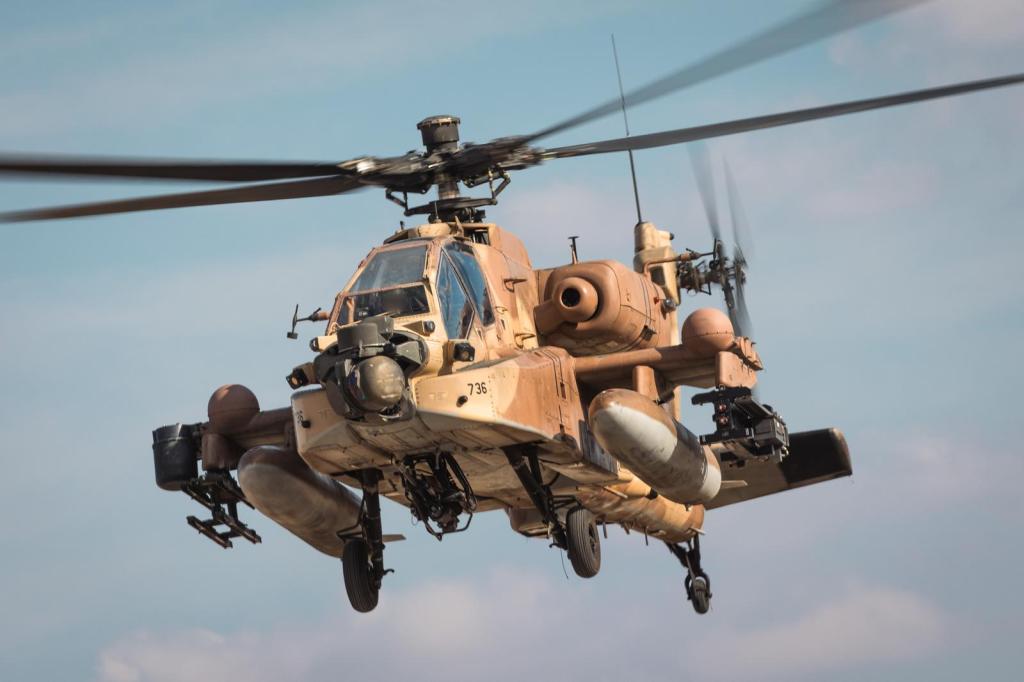
Echoing that sentiment, Oren Sabag, General Manager of Elbit Systems Intelligence, Surveillance, Target Acquisition and Reconaissance (ISTAR) & Electronic Warfare (EW) Division, noted that the company’s DIRCM solutions have already proven themselves in combat zones worldwide. He highlighted the system’s maturity and operational effectiveness, calling the new contract both a reinforcement of Elbit’s strategic partnership with the Israeli defense establishment and a reaffirmation of its “ongoing commitment to delivering technology that provides the highest level of protection for aircrews operating in hostile environments.”
Following the outbreak of the “Swords of Iron” war, Israel has increased investment in domestic defense companies, with a strong focus on strengthening sovereign capabilities and rapid-response infrastructure. This latest deal with Elbit Systems continues that pattern, channeling resources into local R&D to enhance operational self-reliance and supply chain resilience. It reflects the Ministry of Defense’s broader strategy to maintain technological autonomy while supporting the domestic defense-tech sector amid evolving regional threats.


 The Defense Circuit
Leave a comment