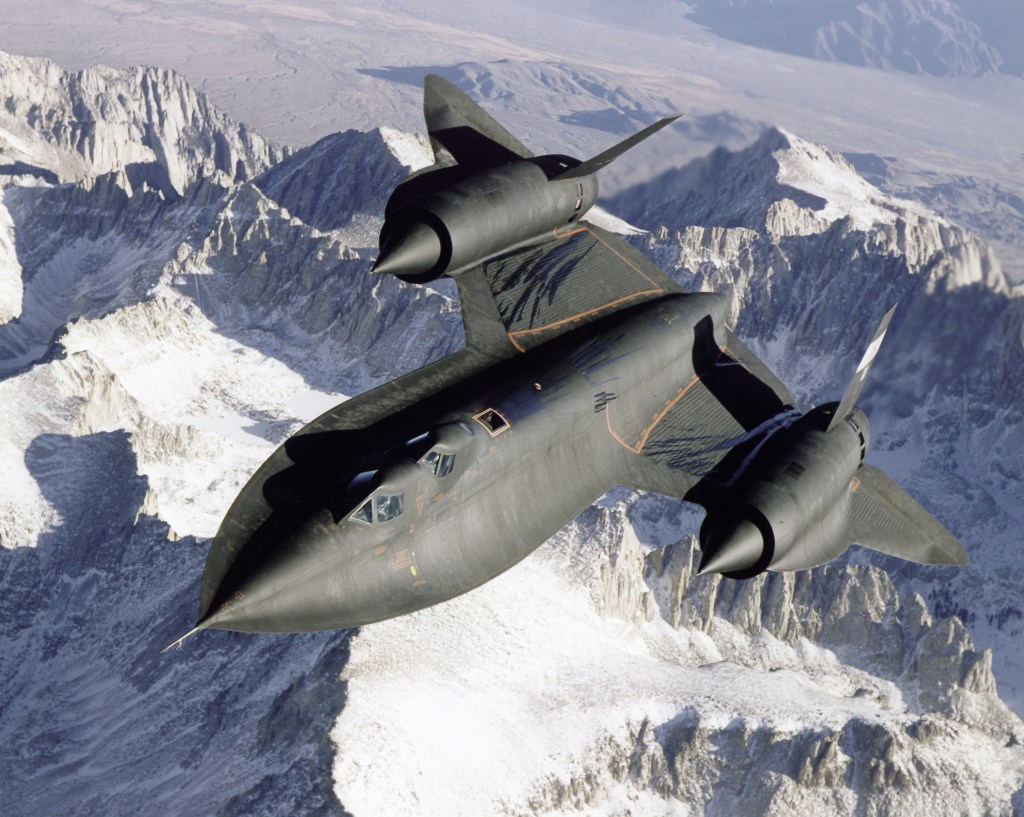
The U.S. Air Force’s ambitious Next Generation Air Dominance (NGAD) fighter program has achieved a significant technical milestone, even as the broader program faces strategic uncertainty and mounting cost concerns. Both competing engine manufacturers have successfully completed detailed design reviews of their adaptive propulsion systems, marking a crucial step forward in what could become America’s last crewed fighter jet program.
Defense giants GE Aerospace and Pratt & Whitney have each received contract modifications worth up to $3.5 billion to develop their respective engine prototypes, more than tripling the original contract values of $975 million awarded in 2022. These substantial investments underscore the Pentagon’s commitment to maintaining air superiority in an increasingly contested global environment, particularly in response to growing challenges from near-peer competitors like China.
The two engines under development – GE’s XA102 and Pratt & Whitney’s XA103 – represent cutting-edge propulsion technology designed specifically for the Air Force’s sixth-generation fighter aircraft. Both utilize adaptive engine architecture that allows the aircraft to optimize its thrust configuration based on mission requirements, providing enhanced range and thermal management capabilities compared to traditional engines. This technology was initially considered for the F-35 Joint Strike Fighter but was ultimately passed over due to concerns about costs and compatibility across different F-35 variants.
Pratt & Whitney, a subsidiary of RTX, has pioneered a “collaborative digital environment” in designing the XA103, enabling seamless electronic transmission of data to reviewers. “The significance of this first fully digital review cannot be understated,” said Jill Albertelli, president of Pratt & Whitney’s military engines division. “Digital processes throughout the lifecycle are crucial to rapidly and efficiently deliver advanced warfighter capabilities.” The company expects to begin testing its prototype by the end of the decade.
Similarly, GE Aerospace has emphasized its use of model-based systems engineering for the XA102, describing it as “a transformative shift” in propulsion system design and testing. “GE Aerospace is making great strides with model-based engineering, which has been instrumental in the success of the XA102 engine design,” said Steve Russell, vice president and general manager of GE Aerospace’s Edison Works. The company is now transitioning into procurement and construction phases while maintaining this innovative approach with its supply chain partners.
However, the broader NGAD program faces uncertainty amid concerns about costs and strategic priorities. The Air Force paused the program last summer to reassess its approach to achieving air superiority at a more sustainable price point. Congressional Budget Office estimates suggest that each NGAD aircraft could cost up to $300 million – significantly more than its predecessors. This comes at a time when the Air Force is also investing in other high-priority defense programs, including the B-21 Raider stealth bomber and the LGM-35 Sentinel intercontinental ballistic missile replacement.
Then-Air Force Secretary Frank Kendall ultimately decided to defer the final decision on NGAD to the incoming Trump administration, though Air Force studies have consistently indicated the capability is needed. The program’s pause has sparked broader discussions about the future of air warfare and the balance between manned and unmanned systems.
Senator Mark Kelly (D-AZ), a former naval aviator, recently emphasized the strategic importance of NGAD in an opinion piece. “The People’s Republic of China has developed a strategy of Anti-Access/Area Denial (A2/AD) to impede our operations in the Western Pacific,” Kelly wrote. “Their air defense architecture includes longer range air-to-air missile systems and integrated space systems to restrict our operational reach and challenge our conventional fighter force. We can no longer rely on fighting our way into the battlespace.”
The NGAD program represents more than just a new fighter jet – it’s envisioned as a family of systems including autonomous drones operating alongside the crewed aircraft. This approach aims to address evolving threats in aerial warfare, particularly in potential conflicts across vast distances in the Pacific theater where current fighters like the F-22 Raptor face range limitations. The F-22 fleet, originally planned for 750 aircraft but limited to just 187 due to budget constraints, has highlighted the need for longer-range capabilities and increased payload capacity.
Some defense experts argue that instead of committing to an expensive, next-generation fighter, the Air Force should focus on a more flexible approach, integrating advanced capabilities across multiple platforms. The Senate Appropriations Committee has proposed shifting $557 million from NGAD to the Collaborative Combat Aircraft program, signaling growing interest in autonomous systems as a cost-effective alternative to traditional fighter jets.
Kelly and other supporters of NGAD argue that the new administration must make a decision on the program by spring to avoid costly delays and supply chain disruptions. “If they don’t make a decision, it risks dragging out the entire process, which will increase the cost of the program dramatically and gives China time and space to develop its own next generation fighter,” Kelly warned.
As both engine manufacturers proceed with their prototype development, the success of these adaptive propulsion systems could prove crucial not just for American air power, but for the future of crewed combat aircraft altogether. The outcome of this program may well determine whether pilots will continue to play a direct role in aerial combat, or if the future of air warfare will increasingly shift toward autonomous systems.



 The Defense Circuit
Leave a comment