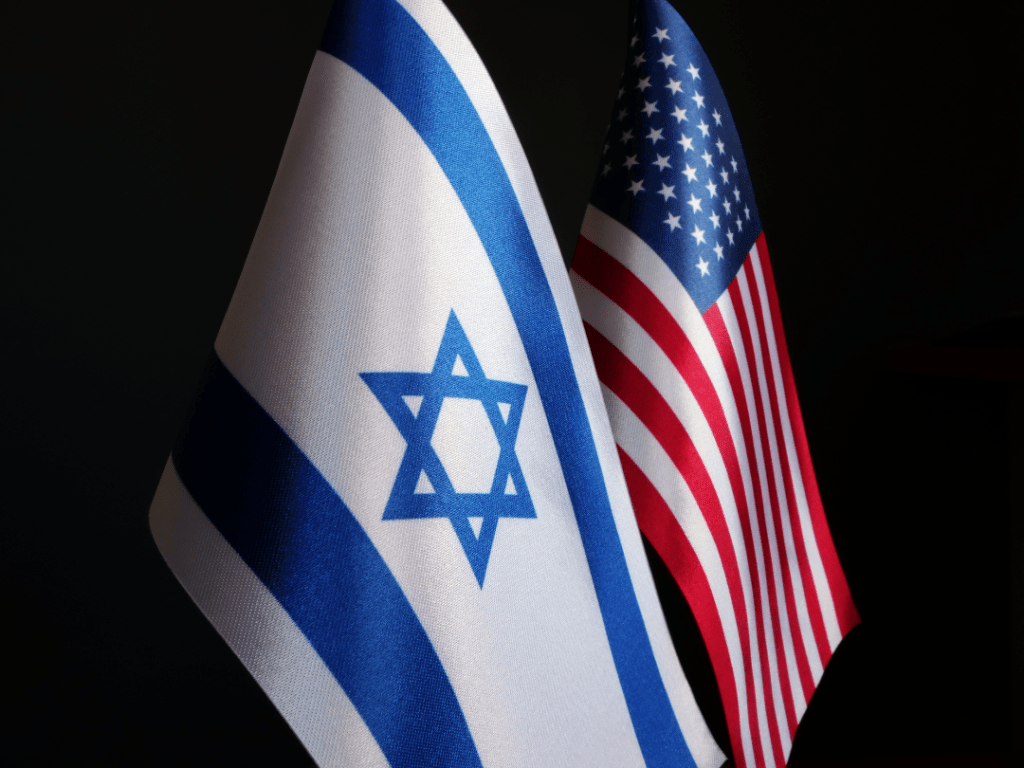
The recent $7 billion U.S. defense deal with Israel is more than just a routine arms sale. It comes at a time of escalating tensions along the Syria-Lebanon border, where the balance of power is shifting rapidly. As Syria cracks down on Hezbollah’s smuggling networks, Israel is ramping up its own strikes, targeting weapons shipments meant for the terror group. But with the White House pressuring Israel to maintain a fragile ceasefire, the question remains—how long before this standoff erupts into something far bigger?
Recent reports from Hawik and other border towns paint a volatile picture. Syrian security forces, under new orders, are cracking down on Hezbollah-linked smuggling routes. These routes are not just local black-market operations—they are vital arteries for Iran’s supply chain to Hezbollah, funneling weapons and resources directly into Lebanon.
Syrian troops, backed by Damascus, have clashed with Lebanese clans that have long been involved in the cross-border trade, as well as Hezbollah operatives resisting the disruption of their supply network. According to reports, the fighting has resulted in multiple casualties. The Syrian government has also begun restricting Lebanese citizens from entering its territory, a move that signals a deeper attempt to reassert control over its borders.
For years, Israel has systematically targeted Hezbollah’s arms shipments, striking convoys, weapons depots, and now, even underground smuggling tunnels along the border. On February 10, the Israeli military confirmed it had carried out precision strikes on a Hezbollah tunnel used to transfer weapons from Syria into Lebanon.
This is not just a routine airstrike. It comes against the backdrop of a fragile ceasefire agreement between Israel and Hezbollah, one that remains in place largely due to pressure from the United States. While the ceasefire is still holding, Israel’s decision to strike the Hezbollah smuggling tunnel signals a clear message: the ceasefire does not mean Israel will allow Hezbollah to rearm without consequence.
But Israel is operating under a delicate balancing act. The Trump administration has been pushing for a formal agreement that would see the Israel Defense Forces (IDF) pull out of Lebanon entirely. The White House has signaled its desire for de-escalation along Israel’s northern border, urging Israel to finalize an agreement with Hezbollah before tensions spill over. However, at the same time, the Trump administration has demonstrated a willingness to take a hard line against Iran and its proxies, leaving Israel in a precarious position.
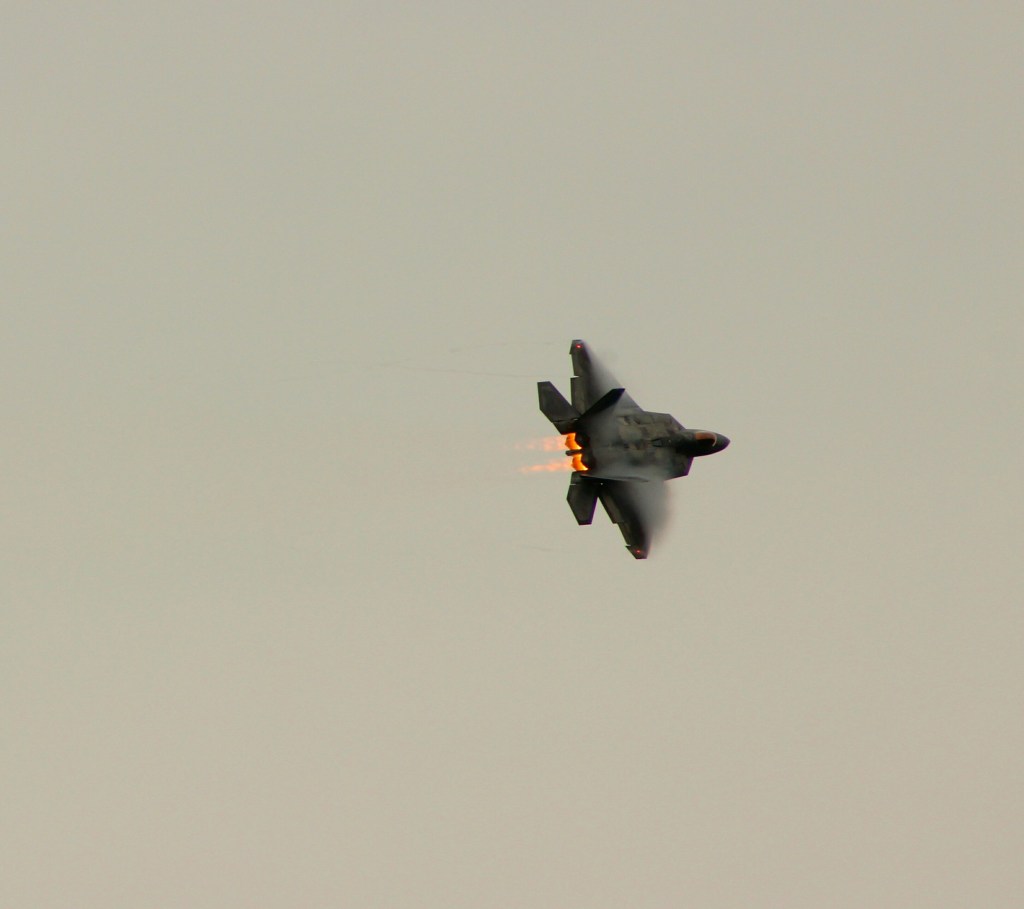
This pressure comes at a time when the United States has also approved a massive defense deal with Israel. The weapons package includes thousands of bombs and missiles, reinforcing Israel’s military capabilities. The message is clear: Washington wants to support Israel’s defense but also wants quiet on the northern front.
That puts Israel at a crossroads. On the one hand, the American defense package signals strong backing, and the added military hardware gives Israel more leverage in future conflicts. On the other hand, Washington is also demanding restraint, urging Israel to de-escalate with Hezbollah rather than provoke a full-scale war.


 The Defense Circuit
Leave a comment