In a significant display of counter-drone innovation, Israel’s Ministry of Defense has completed testing of 22 advanced anti-drone technologies, marking a new chapter in the rapidly evolving global drone market. The tests, which concluded Wednesday, showcase how the $36.1 billion drone industry is expanding beyond commercial applications into sophisticated defense systems.
“The defense establishment is determined to complete a comprehensive defensive response to the drone threat,” said Brigadier General Dr. Daniel Gold, head of the Department of Defense’s Research and Development. His comments come as the global drone market is projected to grow at a rate of 15.23% through 2028, according to a new report from Technavio.
The Israeli tests brought together industry giants and startups alike. Major contractors including Elbit Systems, Israel Aerospace Industries (IAI), and Rafael Advanced Defense Systems demonstrated various solutions, from traditional kinetic shoot-downs to innovative counter-drone systems. The technologies ranged from 30mm cannon-based systems to interceptor drones that deploy nets to capture hostile UAVs.
This military innovation comes as commercial drone applications continue to transform industries worldwide. From precision agriculture to infrastructure inspection, drones are becoming essential tools across sectors. with the Asia-Pacific region leading this commercial expansion, accounting for 42% of the market, followed by significant growth in North America and Europe.
“We will act to ensure maximum protection for our citizens and forces on the ground against UAVs from Iran, Yemen, Lebanon, and any arena where we may be required to respond,” said Defense Minister Israel Katz, highlighting how security concerns are shaping the industry’s development.
The urgency behind these defensive innovations becomes clear in light of recent statistics: Israel has faced approximately 1,300 drone incursions since October 2023, with 231 successfully striking their targets. These numbers underscore a growing challenge that extends beyond Israel’s borders, as countries worldwide grapple with the dual-use nature of drone technology.
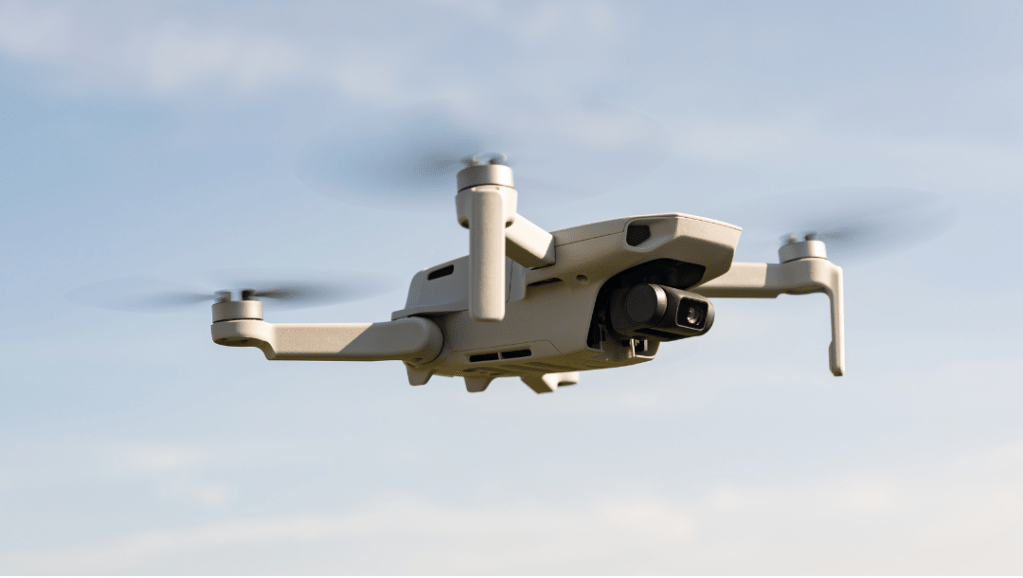
Commercial drone manufacturers are watching these developments closely. The market includes various players, from established companies like AeroVironment Inc. and DJI Technology Co. to innovative startups. These companies are increasingly finding their technologies adapted for both civilian and security applications.
“Drones have transformed the commercial sector due to their ease of deployment, minimal maintenance costs, mobility, and ability to hover,” notes the Technavio report. This transformation extends across industries, with drones being deployed for everything from e-commerce deliveries to search and rescue operations.
However, the industry faces significant challenges. Regulatory restrictions and security concerns continue to shape market development. The success of Israel’s recent tests points to a future where defensive capabilities evolve alongside commercial applications, creating a more complex and mature market.
The Defense Ministry hasn’t announced when these new anti-drone systems will be deployed operationally, but sources indicate some technologies could be implemented within months. This timeline reflects the broader industry’s rapid pace of innovation, as companies race to develop both commercial applications and security solutions.
The convergence of commercial and defense applications suggests that the drone industry is entering a new phase of maturity. As cities worldwide prepare for increased drone activity in urban spaces, the lessons learned from Israel’s defensive innovations could influence how countries balance the benefits of commercial drone use with security requirements.
For now, the successful testing of these counter-drone technologies represents a significant milestone in the industry’s evolution. As the global drone market continues its upward trajectory, the balance between innovation and security will likely remain a crucial factor in shaping its future development.




 The Defense Circuit
Leave a comment