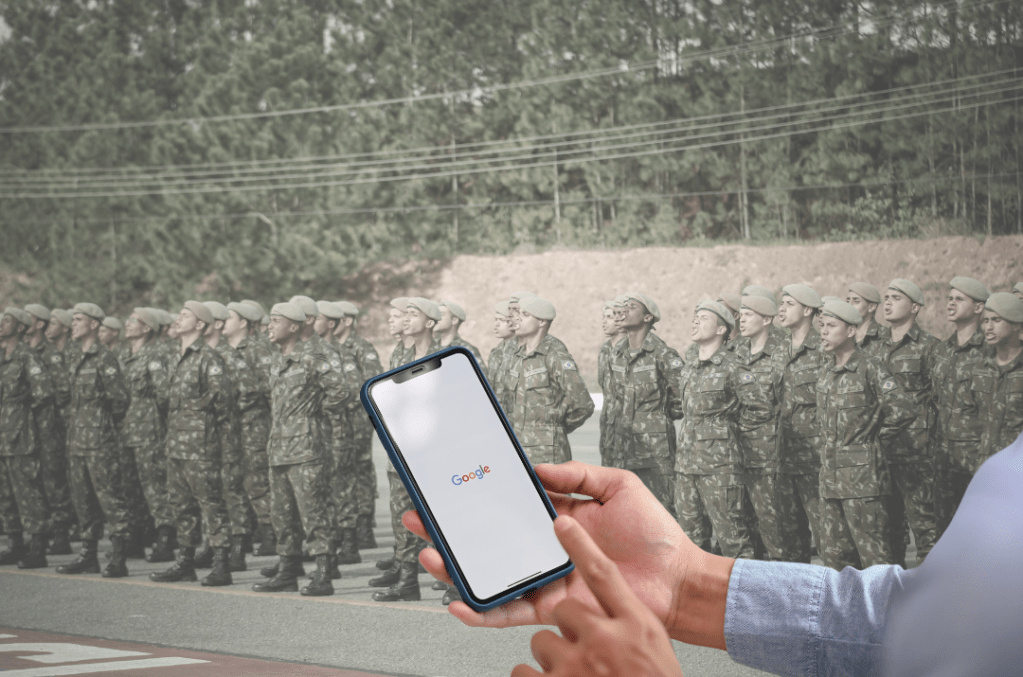
Google has removed its long-standing prohibition on using artificial intelligence for weapons and surveillance applications, marking a significant shift in its approach to defense technology. The change, announced in a company blog post on Tuesday, eliminates a 2018 commitment that had distinguished Google from other major tech companies in its stance toward defense contracts.
The company has quietly removed its previous “Applications we will not pursue” section, which explicitly banned the use of AI for weapons development and surveillance technologies that violated “internationally accepted norms.” The section had also prohibited technologies that “cause or are likely to cause overall harm” and those that contravene principles of international law and human rights.
Google executives James Manyika and Demis Hassabis explained the change in their blog post: “There’s a global competition taking place for AI leadership within an increasingly complex geopolitical landscape. We believe democracies should lead in AI development, guided by core values like freedom, equality, and respect for human rights. And we believe that companies, governments, and organizations sharing these values should work together to create AI that protects people, promotes global growth, and supports national security.”
The reversal comes after Google first implemented these restrictions in 2018 following employee protests over Project Maven, a Pentagon initiative that used AI for drone footage analysis. At that time, over 4,000 Google employees signed a petition demanding the company cease military AI development.
The announcement aligns Google with other major AI companies that have established defense partnerships. OpenAI recently announced it would work with military manufacturer Anduril to develop technology for the Pentagon, while Anthropic formed a partnership with defense contractor Palantir to help U.S. intelligence and defense agencies access versions of its AI through Amazon Web Services. Microsoft and Amazon have maintained long-standing Pentagon partnerships.
The timing coincides with expectations from defense tech companies about future procurement. Anduril cofounder Palmer Luckey said in an interview with Bloomberg TV that it is “good to have someone inbound who is deeply aligned with the idea that we need to be spending less on defense while still getting more: that we need to do a better job of procuring the defense tools that protect our country.”
The move comes as Chinese companies like DeepSeek have stoked concerns about U.S. technological leadership after releasing AI capabilities similar to those of American companies. The Washington Post recently reported that Google provided Israel’s Defense Ministry and the Israel Defense Forces greater access to its AI tools following the Hamas attack on Israel in October 2023.
While Google has removed explicit prohibitions on weapons and surveillance applications, the company states it will implement “appropriate human oversight, due diligence, and feedback mechanisms” to align with international law and human rights principles. The company’s updated AI principles page includes provisions saying it will test its technology to “mitigate unintended or harmful outcomes.”




 The Defense Circuit
Leave a comment